


“I have the right to speak out, make a sign, and peacefully join a protest without fear of punishment or retribution or worse. I have learned that this fragile thing called ‘democracy’ needs to be protected, that the brilliance of our Constitution begins with the words, ‘We the people.’ I believe in the resilience of our Constitution and I believe in the goodness and strength of the people.”
— actress Sally Field on 60 Minutes in a plea to protect the First Amendment.
California drops probe into student paper
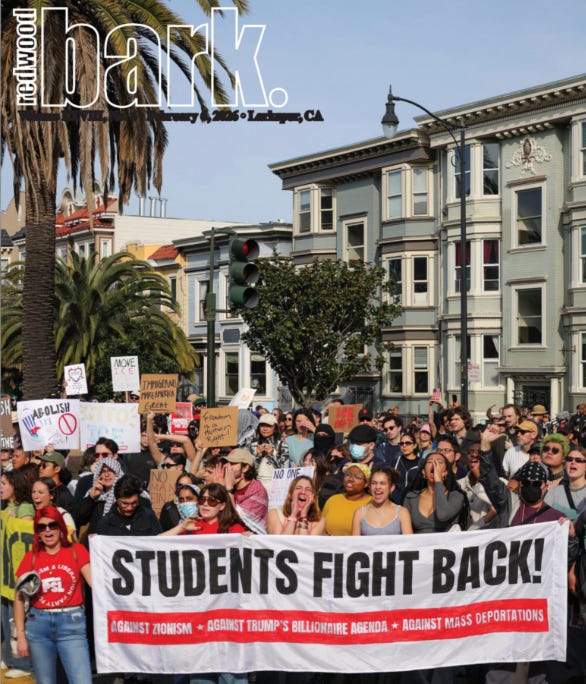
After Redwood High’s student paper The Bark published a front-page image of an anti-Zionism protest banner, administrators launched an “investigation,” ordered content removed, and then denied doing any of it after FIRE stepped in and pointed out the obvious legal problems.
That wasn’t the only incident either. Administrators also told students to alter reporting about the Epstein files after receiving a single email threatening legal action. As Marie McMullan, FIRE student press counsel, explains:
The student journalists at The Bark deserve better. When a school receives a complaint about speech, the correct approach is to conduct a preliminary, internal review rather than sending an ominous email announcing an investigation. That would allow the district to handle complaints and offer support without chilling speech.
Below the fold
A Belgian activist and former member of parliament was convicted for a second time on hate speech charges related to his criticism of mass migration, even though the court acknowledged he based his comments on scientific evidence and statistics and did not spread any false information.
Romanian prosecutors added charges against influencer Andrew Tate, saying that he incited hatred against women by making sexist posts on social media.
FIFA, the global governing body for association football, has once again banned the pre-revolution Iranian flag from stadiums, as demanded by Iran.
A former Ball State administrator will receive $225,000 after suing the university for firing her over a private Facebook post she made criticizing Charlie Kirk in the wake of his murder. Similar cases have recently resulted in settlements of $485,000 in Florida and $500,000 in Tennessee, with more pending.
This year, the United States celebrates its 250th anniversary. To commemorate the occasion, FIRE is proud to present the limited series “Figures of Speech,” looking at the heroes and villains of free speech in American history. We began with Joseph McCarthy, the senator who scared America silent. Then we looked at Thomas Paine, American history’s winter soldier. Now we turn to Anthony Comstock, the postal inspector who became our censor-in-chief.
In the spring of 1873, the U.S. postal inspector, a prudish Christian named Anthony Comstock, arrived in Washington carrying a box of dildos. There were also dirty books, naughty pictures, French playing cards, abortion pamphlets, “intermediate tegumentary coverings” (condoms), and enough sexually explicit material to scandalize Congress into legislating the Devil out of Americans. Continue reading…
New FIRE study
Faculty political campaign contributions skew left, according to a new FIRE-commissioned study by University of Rochester professor David Primo. The study found that politically active faculty at 55 major universities are overwhelmingly concentrated within a narrow ideological range, with the average faculty donor scoring only slightly less left-leaning than Senators Bernie Sanders and Elizabeth Warren.
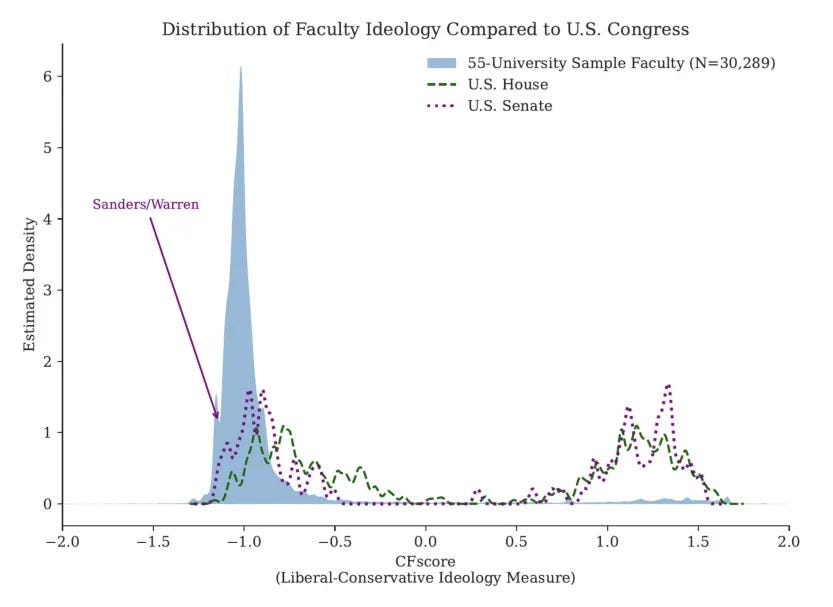
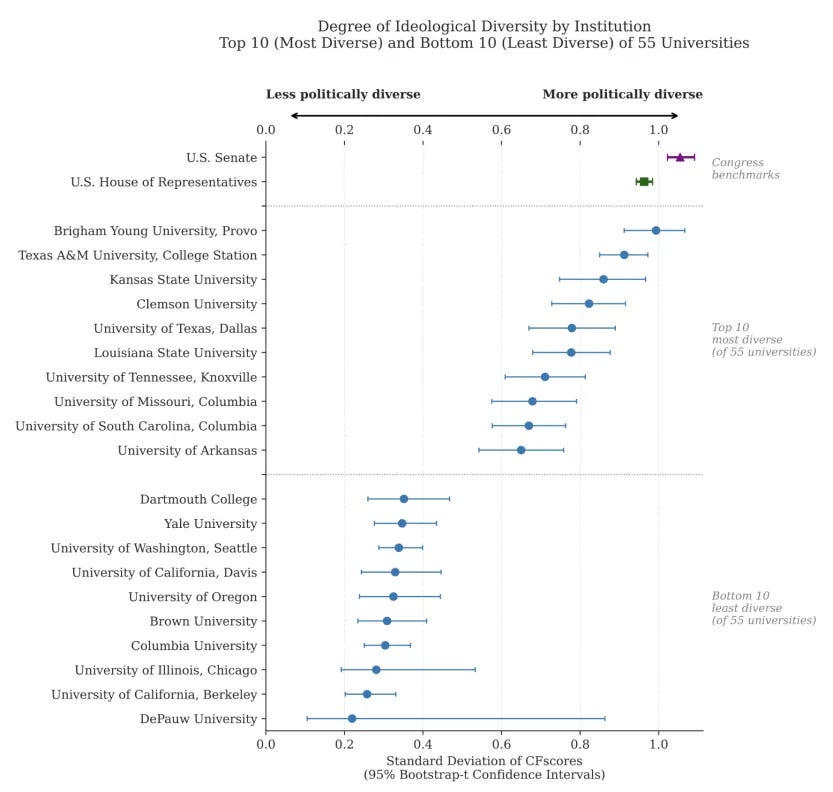
Humanities and fine arts faculty showed the least ideological diversity, while business and agriculture showed the most, though both still leaned left overall. The findings align with previous FIRE surveys showing conservatives feel less welcome in academia and are more likely to self-censor now than at the height of McCarthyism.
Here’s Connor Murnane, FIRE’s campus advocacy chief of staff:
The lack of viewpoint diversity in academia is a crisis, but the cure can’t be worse than the disease. Heavy-handed measures like ideological tests or hiring quotas for conservatives would just replace one form of forced conformity with another. Instead, universities should recommit to creating a culture that makes room for students and faculty to challenge ideas from the left, right, and center.
Terms of service
Meta blocked at least seven dissident accounts inside Saudi Arabia, The Guardian reports, while Saudi authorities sought restrictions on 144 Instagram and Facebook items in April. Snapchat also reportedly slowed or removed access to some accounts without notifying users, while X said it had received Saudi requests but had not acted.
In the frame
CBS’s 60 Minutes aired a video of actress Sally Field making an appeal to protect the First Amendment. In “The Last Minute,” Fields delivers a short civic essay on speech, protest, press freedom, and democratic resilience.
This week in history
On May 30, 1967, Colombian author Gabriel García Márquez published One Hundred Years of Solitude, the landmark novel that helped define the genre of magical realism. Widely considered one of the most influential works of the 20th century, the book has also faced repeated censorship efforts over the years. During the 1980s and 1990s, the novel was frequently challenged in schools because of its sexual content and coarse language. In 1986, Wasco Union High School in California removed the book from its reading list, prompting English teacher Lee McCarthy to file suit. A California Court of Appeals later ruled in McCarthy v. Fletcher that the school board could not ban the book on religious grounds. The vice president of the high school, Gerald Johnson, had recommended the book’s removal because it was “negative ... to the Catholic religion.”
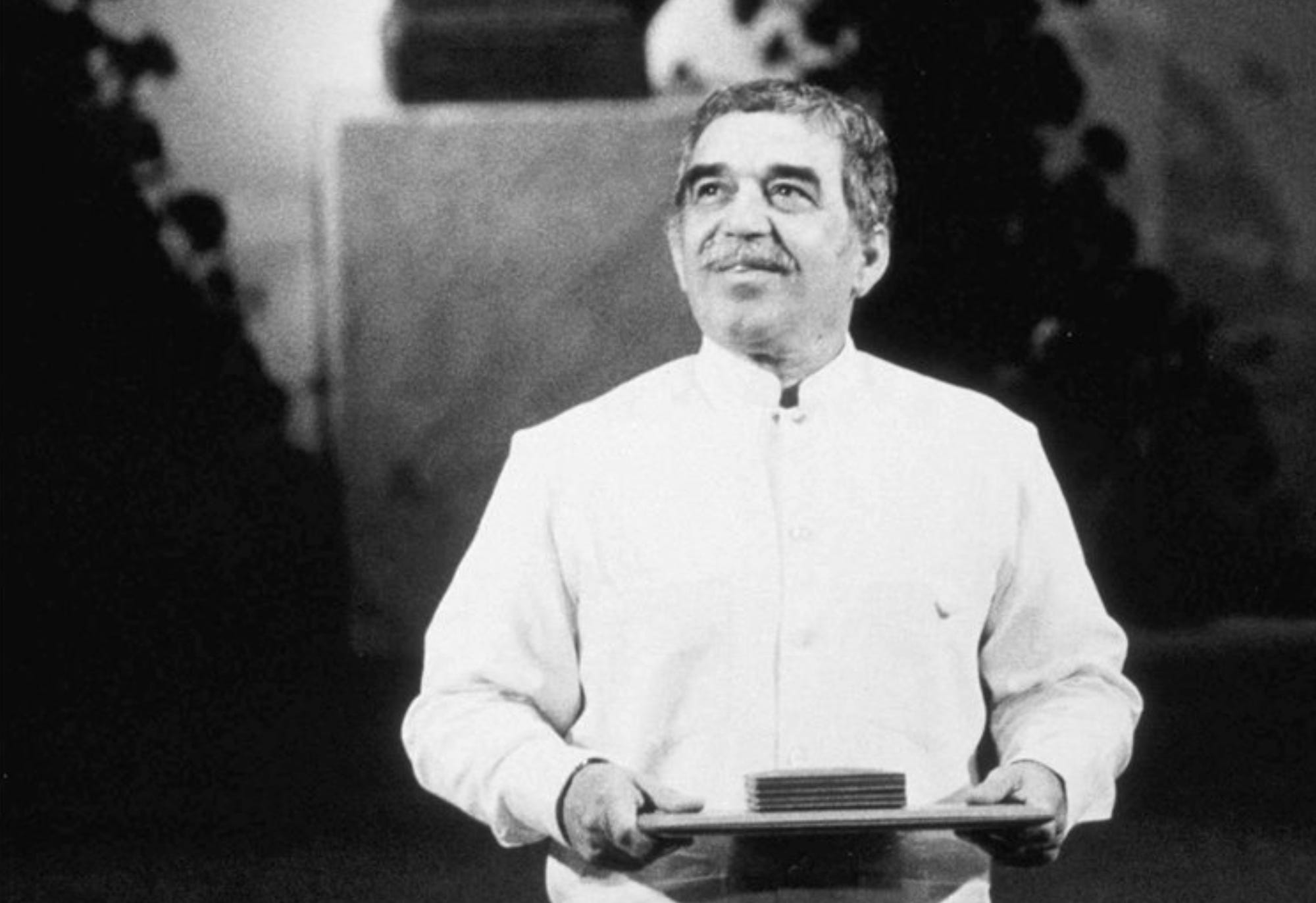
Ironically, García Márquez actually met Pope John Paul II in 1979, shortly after he was announced as pope, and the two men hit it off famously. In fact, they ended up sharing stories as the pope enthusiastically patted García Márquez’s arm to emphasize his points, and García Márquez became so engrossed in the conversation that before he knew it they had run out of time.
FIRE Update
Yesterday, FIRE litigators were in California for our lawsuit challenging the provisions the Trump administration is using to deport people — who are legally in the United States — because the government doesn’t like what they have to say. Nobody should fear a midnight knock on the door for voicing the wrong opinion.
FIRE attorney Conor Fitzpatrick explained that in a free country, you shouldn’t have to show your papers to voice your opinion. Free speech isn’t a privilege the government hands out, and it can’t be taken away by any government official — of any party. We’ll keep you posted as the case progresses. Continue for the full Update…
By the numbers
The government cannot use private tech platforms as proxies to censor lawful speech online, a practice known as jawboning, and Americans across the political spectrum increasingly distrust any system where the government does so. FIRE’s latest National Speech Index finds that 75% of Americans say they are at least somewhat concerned about the government pressuring tech companies to suppress certain viewpoints. Simply put, Americans don’t trust the government to regulate social media.