
Welcome to FIREside, Expression’s weekend companion to the FIREwire. Here you’ll find the previous week’s best essays, films, podcasts, and commentary on free speech.
To keep getting weekend editions for free, select “FIREside” in your subscription settings. You’ll also find the latest editions under Newsletters in the menu at the top of our homepage.
“If you don’t support free speech for people you disagree with, you’re effectively declaring that you cannot come up with a counter-argument that is more compelling.”
— Claire Lehmann, founder and editor of Quillette, writing on X
Required reading
A cardinal rule of journalism: never back down in the face of intimidation.
Columbia Journalism Review’s Joel Simon has one of the week’s stranger press-freedom stories, in which he explains how ABC is trying to prove that government pressure violated its First Amendment rights by admitting that the pressure worked. In his essay, “Why ABC Self-Censored,” he explains that in a federal lawsuit, ABC says threats and investigations from the FCC changed whom The View booked and even influenced the network’s decision to carry a presidential address it otherwise would not have aired. That makes the suit both a potentially important First Amendment case and an extraordinary confession of editorial self-censorship.
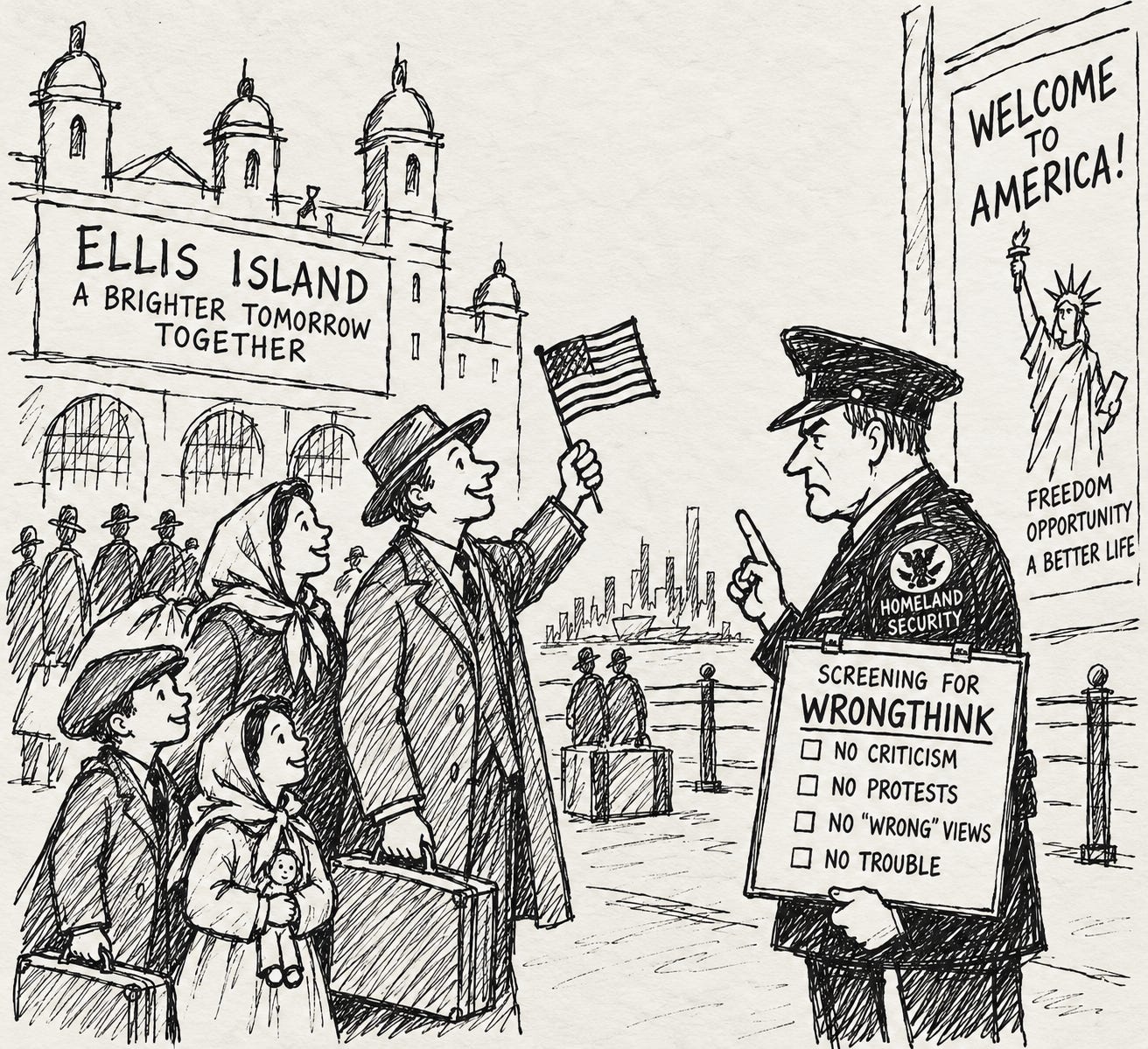
The idea that protecting provocative speech by visitors and immigrants renders the Constitution a “suicide pact” might be one of the most absurd examples of snowflakery I’ve ever seen in my life. Millions of Americans share the views that thousands of student immigrants have expressed, and when you view those ideas as dangerous enough for deportation, we are foolish to believe — just as Jefferson warned — that only immigrants will face the administration’s wrath.
David French — FIRE’s former president — devotes his Wednesday column to the recent federal court ruling in our challenge to the speech-based deportation statutes, and uses it to make the case that the administration’s student-visa crackdown fails on the law, the founding, and even its own stated values.


In the frame
President Trump returned to office in 2025 vowing to defend free speech. In his latest 1AX film, FIRE’s Ronald Baez asks the question: Did the president keep his word?
Worth a listen
The Blessings of Liberty explores constitutional history, Supreme Court debates, and the “American Idea,” hosted by bestselling author and constitutional scholar Jeffrey Rosen.
In this episode, Colleen Shogan, CEO of In Pursuit, joins to discuss a new national initiative. In Pursuit, a More Perfect project, features a set of essays on U.S. presidents and select first ladies. Contributors — including three former presidents, three former first ladies, Chief Justice John Roberts, and seven Pulitzer Prize winners — reflect on each figure to distill a key lesson about the American experiment.
In this week’s Advisory Opinions, “Has the First Amendment Ever Been More Relevant?,” Sarah Isgur and David French discuss FIRE’s court victory over speech-based student deportations, government attempts to control classified information, political expression at school sporting events, and the First Amendment cases that may soon reach the Supreme Court. The FIRE case starts roughly a third of the way in, but the whole episode is an unusually concentrated dose of speech law.
Today in history
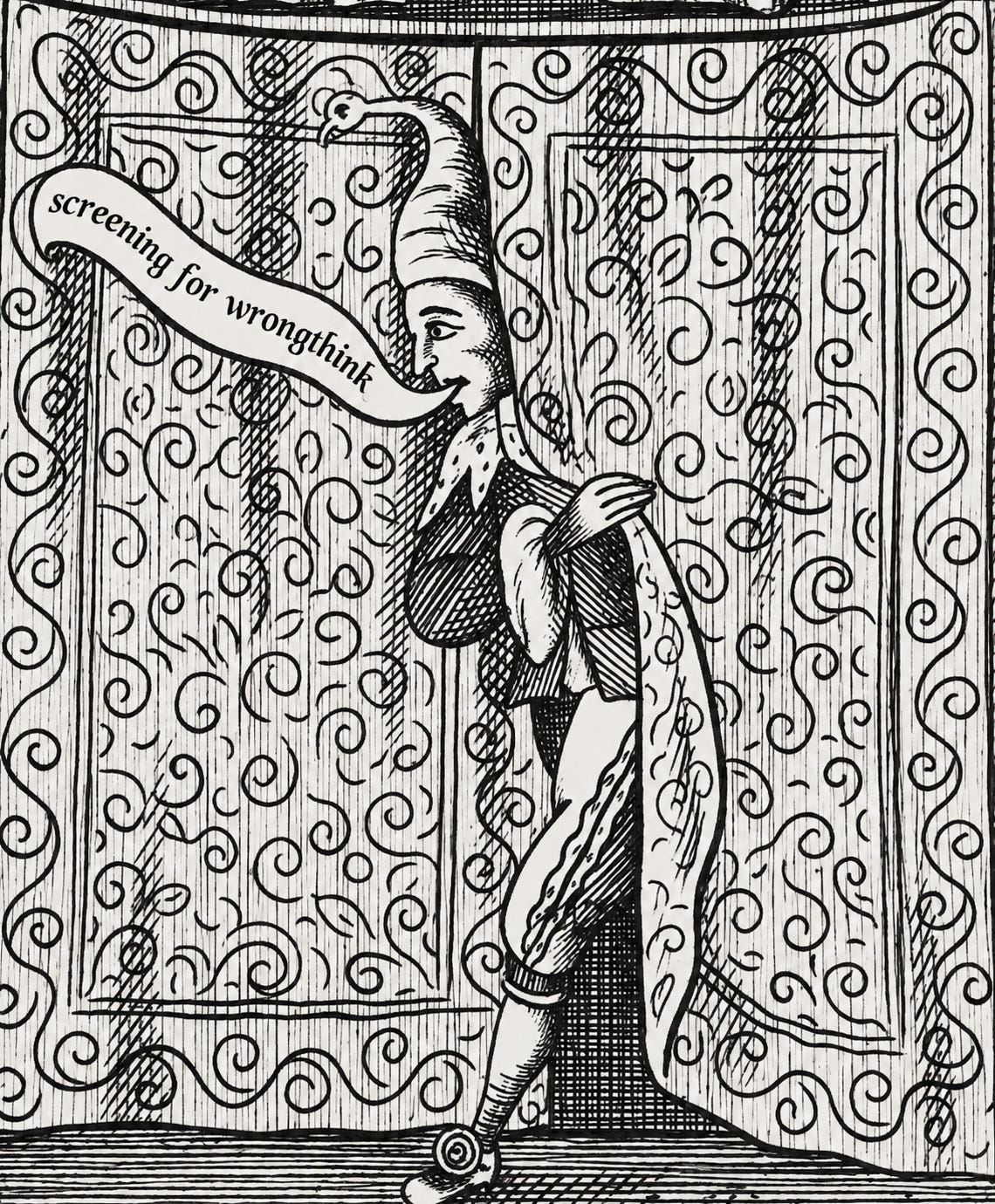
On Sept. 2, 1642, the Long Parliament shut every theater in London. Officially, it was crowd control. Civil war had broken out, and gatherings were dangerous. But the ordinance gave the game away in its own text, calling plays “Spectacles of Pleasure, too commonly expressing lascivious Mirth and Levity,” unfit for a season of fasting and prayer. Puritan reformers had been after the stage for decades, along with mixed dancing, gambling, cosmetics, and fine clothes. The fact that the theater ran Royalist only gave the argument teeth.
The order was meant to be temporary. Plays would cease “while these sad causes and set times of humiliation do continue.” But the alleged sad causes lasted 18 years. By 1648, Parliament had dropped the pretense. Actors were punishable as rogues, playhouse seating ordered torn out, spectators fined for showing up. Raids ran through the decade. Richard Brome’s A Jovial Crew was reportedly the last play legitimately staged before the lights went out. But, of course, drama didn’t die. It merely migrated into dialogue pamphlets that smuggled political arguments onto a printed stage.
In the comments


Ink and opinion