“This decline did not come out of nowhere, nor did it happen overnight. And we were certainly more than mere bystanders. We must acknowledge how we have fallen short . . . I accept without reservation the committee’s recommendations to protect free speech and support academic freedom . . . We must ensure that Yale is a place where people are free to take intellectual risks, including the risk to disagree and be disagreed with.”
—Maurie McInnis, president of Yale University, responding to a recent school report showing the erosion of public trust in higher education, April 15, 2026.
You don’t need to live in China to experience China’s censorship
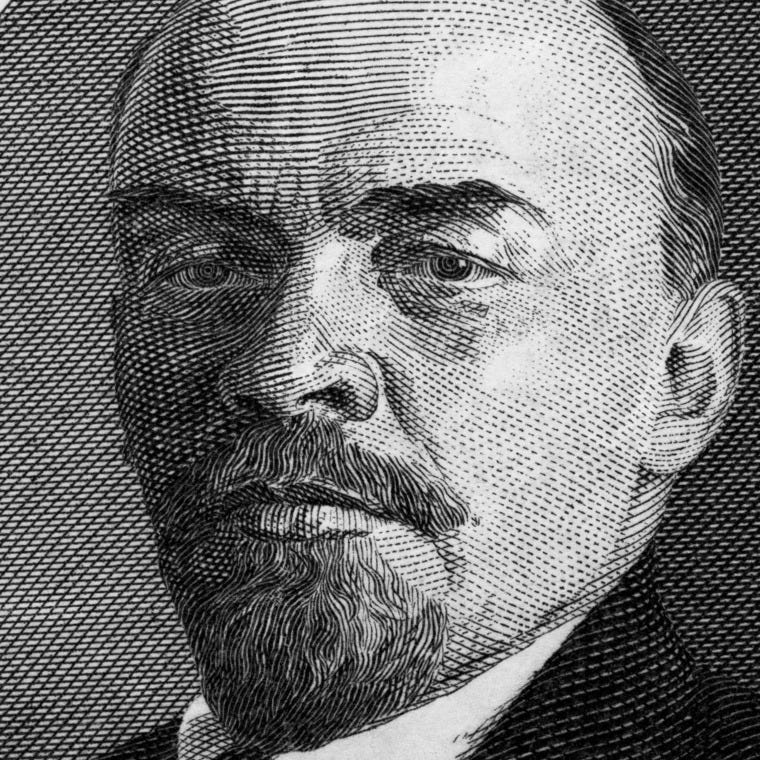
The UK’s Victoria and Albert Museum quietly altered its own exhibition catalogues — removing maps and an image of Vladimir Lenin — to satisfy Chinese Communist Party censors tied to overseas printing. But as Sarah McLaughlin explains in a chilling post, this is just one canary in a very large coal mine:
Perhaps worst of all, this influence is operating in higher education on a global scale, introducing both overt and subtle limits on universities and the people who study and teach within them. In the short term, researchers and student dissidents suffer threats and censorship. In the long run, the education, research, and discussion that the entire world relies on for knowledge generation is throttled . . . You may be thousands of miles away from the Chinese government, but its censorship is operating much closer than you think.
UNC Chapel Hill drops probe into satire
UNC Chapel Hill dropped its investigation into a satirical comedy sketch mocking performative “white liberal” attitudes. As Marie McMullan explains:
Naturally, critics are free to answer The Daily Tar Heel and Hill After Hours with more speech. They can comment on the article or videos online. Or they can make their own content in response, as some students already have. But the school itself, as a public research university, is not free to answer such speech with actions designed to chill student expression.
Below the fold
French lawmakers withdrew a bill yesterday that would have implemented sweeping antisemitism restrictions, including banning the phrase “from the river to the sea.”
An Alabama woman was found not guilty on all charges after attending a No Kings parade to protest the Trump administration dressed as a giant penis.
Terms of service
Artificial intelligence is rapidly becoming one of the world’s primary engines of knowledge creation. And as this meaning-making system comes online, so too does the inevitable desire for government control. The following discussion from Jan. 22, “Regulating AI: Who decides?,” brings together the individuals tracking and resisting that expansion. Dean Ball — technologist, AI governance analyst, and former White House science and technology adviser — warns that “responsible AI” rhetoric often serves as an on-ramp to permanent regulatory control. Ari Cohn, First Amendment attorney and tech policy expert, brings a free speech lawyer’s clarity to where government proposals cross constitutional lines. Matt Perault, head of AI policy at Andreessen Horowitz, examines how regulatory choices shape the incentives that drive innovation. And guiding the discussion is Kmele Foster of The Fifth Column podcast, whose work is defined by a first-principles approach and an inimitable commitment to curiosity.
This week in history
On April 11, 1938, Life magazine sparked widespread controversy after publishing “The Birth of a Baby,” a photo essay depicting childbirth. The images were based on a film already banned in several cities for “indecency,” yet Life proceeded after consulting officials and warning readers in advance. Authorities in multiple jurisdictions — including parts of New Jersey as well as Chicago, New Orleans, St. Louis, and the state of Pennsylvania — moved to restrict or block distribution. Despite these efforts, public opinion leaned strongly against censorship, with a Gallup poll finding 76% opposed to the bans. On April 26, the Bronx Court of Special Sessions ruled the magazine was not indecent, and publisher Roy Larsen was acquitted. The controversy ultimately boosted Life’s national profile, providing significant publicity just two years after its launch in an early example of the Streisand effect.
By the numbers
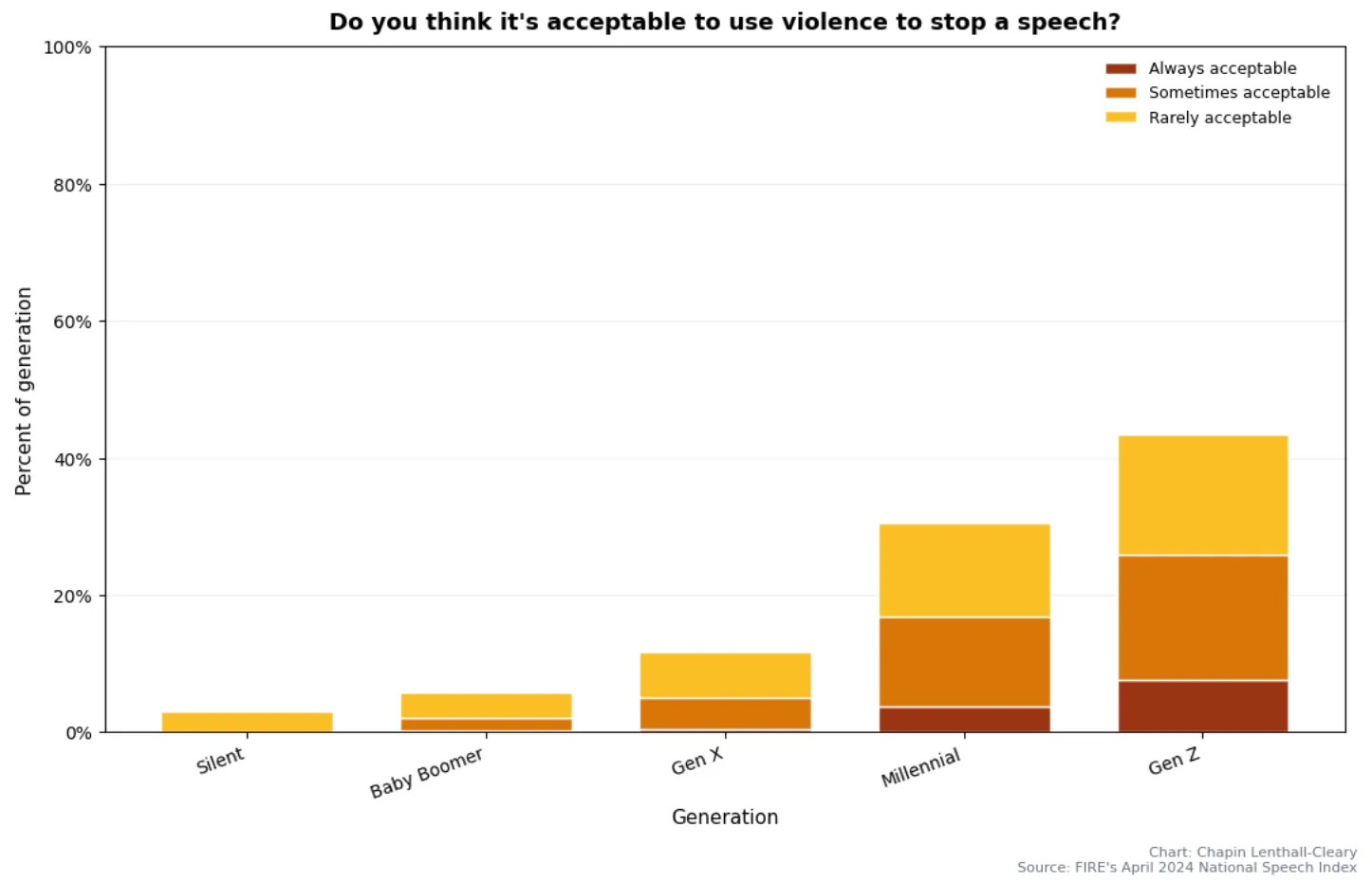
Regardless of ideology, Gen Z is vastly more likely to endorse violence against speakers than Boomers. In fact, Gen Z are 9.6 times more accepting of violence against speakers than Baby Boomers and over 25 times more accepting of violence against speakers than the Silent generation.