


“I’m tired of being a ‘free speech Barbie.’”
– Salman Rushdie on being reduced to a symbol after surviving an Islamist attack in 2022.
White House unveils AI framework
A new federal proposal aims to protect expression in the AI era while raising questions about issues such as age verification.
Here’s FIRE Legislative Counsel for AI and Free Expression John Coleman:
FIRE appreciates the proposed protections for expressive rights embodied in the Trump administration’s new policy framework for artificial intelligence. There are elements that warrant caution and scrutiny, and the devil will inevitably be in the details. But FIRE supports several aspects of the proposal that, if enacted, would go a long way to protecting free speech rights in the AI era.
FCC warns media over Iran coverage
Over the weekend, FCC Chair Brendan Carr effectively threatened to censor news about the Iran war, invoking the “public interest” standard to suggest broadcasters will risk losing their licenses if their reporting is deemed misleading.
Writing for UnHerd, Aaron Terr explains:
If the past is prologue, Carr will continue to reach for any excuse to justify the FCC’s unconstitutional crackdown on the press. But in America, the people decide for themselves what is true — not federal bureaucrats. Principled broadcasters must lead the way by refusing to cave in to Carr’s lawless demands.
Below the fold
Wales’ plan to criminalize “false or misleading” political statements aims to curb dishonesty but risks empowering governments to police truth.
Spain is launching an AI system to track online “hate,” but it could easily blur into government-driven censorship of lawful speech.
In the frame
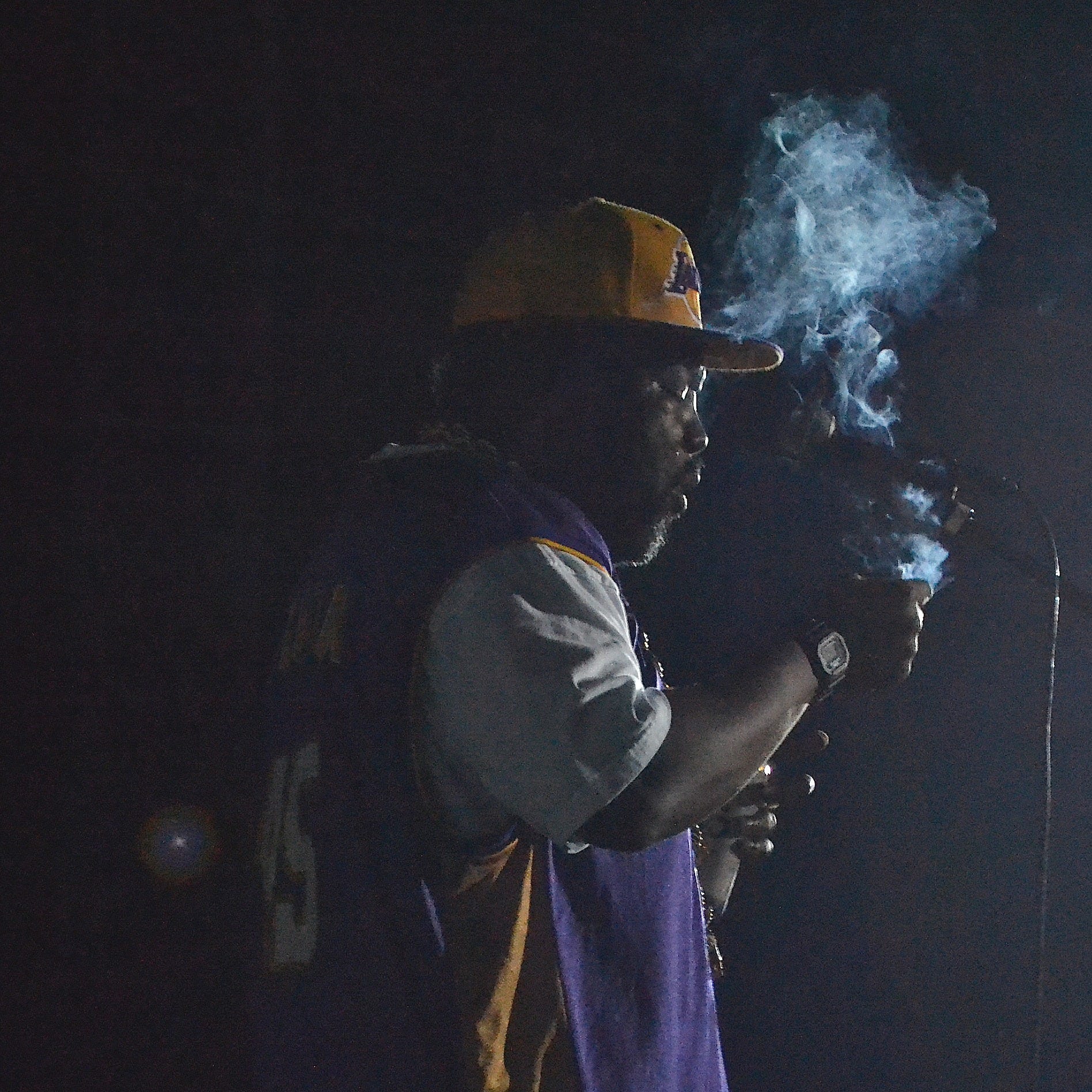
The musician Afroman (“Because I Got High”) won a legal victory this week after a group of Ohio sheriff’s deputies sued him for defamation, emotional distress, and misuse of their likenesses. This comes after a 2022 raid on his home that turned up no evidence of any crime. In response to that raid, which damaged his property, Afroman did what Afroman does and turned the experience into content, using his own security footage to create satirical songs and videos mocking the officers, including the viral track “Lemon Pound Cake.”
Terms of service
In their second installment of Notice and Takedown, Ari Cohn and Tyler Tone explain that the current wave of lawsuits blaming AI chatbots for tragic outcomes — suicides, delusions, erratic behavior — is less a sound legal development than a familiar moral panic dressed up in new technology. While the underlying events are undeniably real and devastating, the authors explain that the legal theories driving these cases are fundamentally flawed because they seek to treat speech as a defective product. A particularly alarming signal, they note, is a judge openly questioning whether AI-generated text even counts as “speech,” a position that, if adopted, could open the door to sweeping government control over what AI systems are allowed to say.
The authors draw parallels to earlier cultural panics over new media, from Dungeons & Dragons in the 1980s to violent video games and heavy metal music. In each instance, grieving families and public pressure produced lawsuits claiming that media content caused real-world harm, only for courts to reject those claims on the grounds that ideas themselves cannot be treated as dangerous products. That distinction applies today. Extending product liability to chatbot outputs would create a powerful incentive for companies to strip their systems of anything remotely controversial or emotionally complex, resulting in bland, heavily sanitized tools that limit both what users can hear and what they can say.
This week in history
James Madison was born on March 16, 1751, on his family’s Virginia plantation. He fathered the Constitution and wrote nearly a third of the Federalist Papers defending it and the establishment of a strong federal government. The Anti-Federalists fought back, fearing centralized power would strangle individual liberty. They won a concession — 10 amendments known as the Bill of Rights that protect people’s freedoms explicitly.
Madison was notoriously shy and quiet. He hated public speaking, which is wild for a Founding Father. There’s even a story that he was so soft-spoken at the Constitutional Convention that people had to lean in to hear him. He was also deeply devoted to his wife Dolley, who was much more outgoing. Madison steered the Bill of Rights through the first Congress, fighting hard for press freedom and religious liberty. Later, he became secretary of state under Jefferson and the fourth president of the United States. After leaving office, he retired to his Virginia estate Montpelier, where he spent his final years reflecting on the young republic he had helped shape.
By the numbers
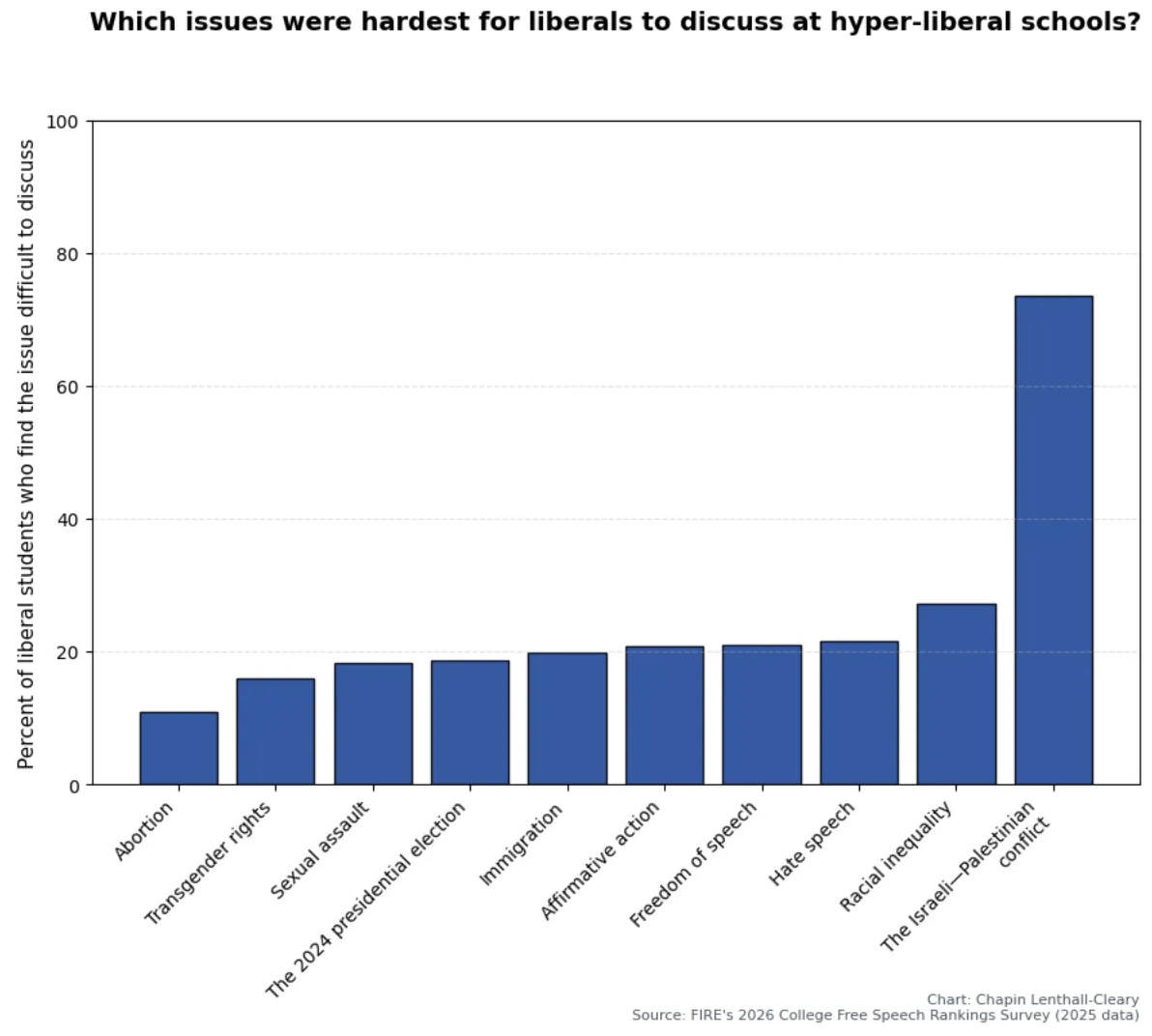
At hyper-liberal schools, the Israeli-Palestinian conflict is more than twice as difficult for liberals to discuss as any other issue, even though they are surrounded by more like-minded peers than any other students. This week, we dive into the data to find out why.
FIRE Update
Imagine a pro-Israel student club wanting to invite a pro-Israel elected official and an officer in the Israeli Defense Forces reserves to speak at their events.
Sounds... absolutely normal, right?
That’s because it is. What’s not normal is what happened next.
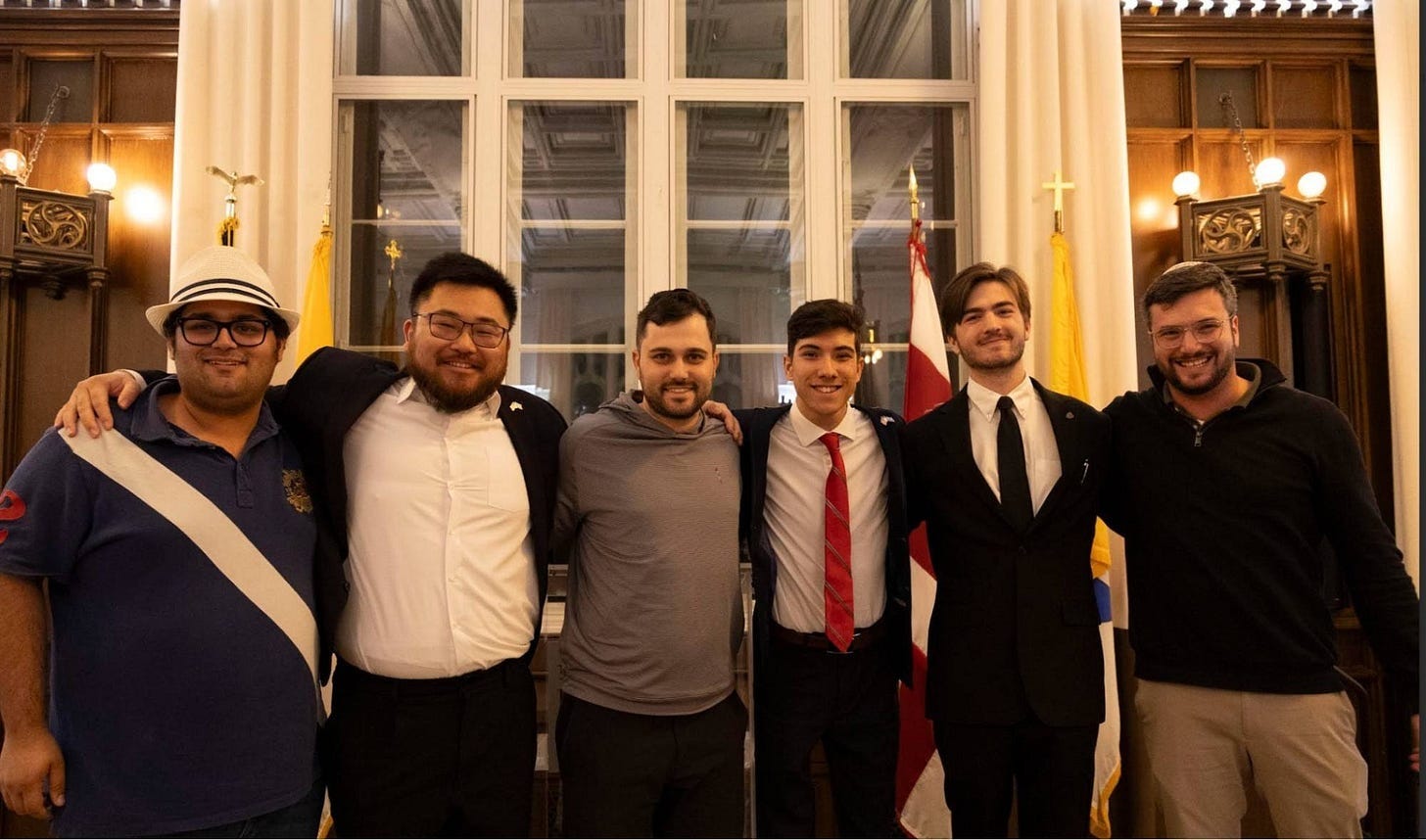
Catholic University denied the event requests because the club didn’t include speakers from “both sides” of the issue.
That’s right. The university is forcing Students Supporting Israel to invite someone who doesn’t support Israel — or they can’t hold the event.
Student clubs, regardless of their perspective, are allowed to advocate for their beliefs and provide programming that supports those beliefs. Requiring a group to host a speaker they oppose is textbook compelled speech — and we’ll fight it every step of the way.
Imagine if the university forced its environmental club to bring in representatives of the oil industry? Or if Catholic clubs had to pair their guest speakers with speakers representing other world religions?
But they’re not: Other groups at CUA have hosted speakers — including Democratic officials and pro-life advocates — without being required to include opposing viewpoints. When rules like this are applied inconsistently, it’s clear they’re not about “balance” but about control. That’s how viewpoint discrimination happens — even when it’s dressed up as neutrality.
CUA is a private university not bound by the First Amendment — but it is legally and morally bound to adhere to its own promises to protect students’ free speech.
Catholic University is officially on notice. We’re calling on administrators to approve these events and make clear that all student groups are free to host speakers of their choice.
For more breaking alerts like this, be sure to sign up for FIRE Updates.