“CBT changed — and probably saved — my life. And CBT has a lot in common with freedom of speech. The way we figure out truth is a process of checking and rechecking. And it doesn’t work if you just talk to people you already agree with.”
—Greg Lukianoff speaking to Psychology Today on cognitive behavioral therapy.
Trump admin considers AI oversight
Recent reports suggest the Trump administration is considering ways to create new oversight for advanced AI models like ChatGPT, Claude, and Gemini. John Coleman explains:
The public should be wary of arrangements that give government officials of either party a foothold over what AI systems generate. Once the government assumes a gatekeeping role over emerging forms of expression, the line between oversight and censorship gets blurry real fast.
FBI investigates journalist who wrote about Patel’s drinking
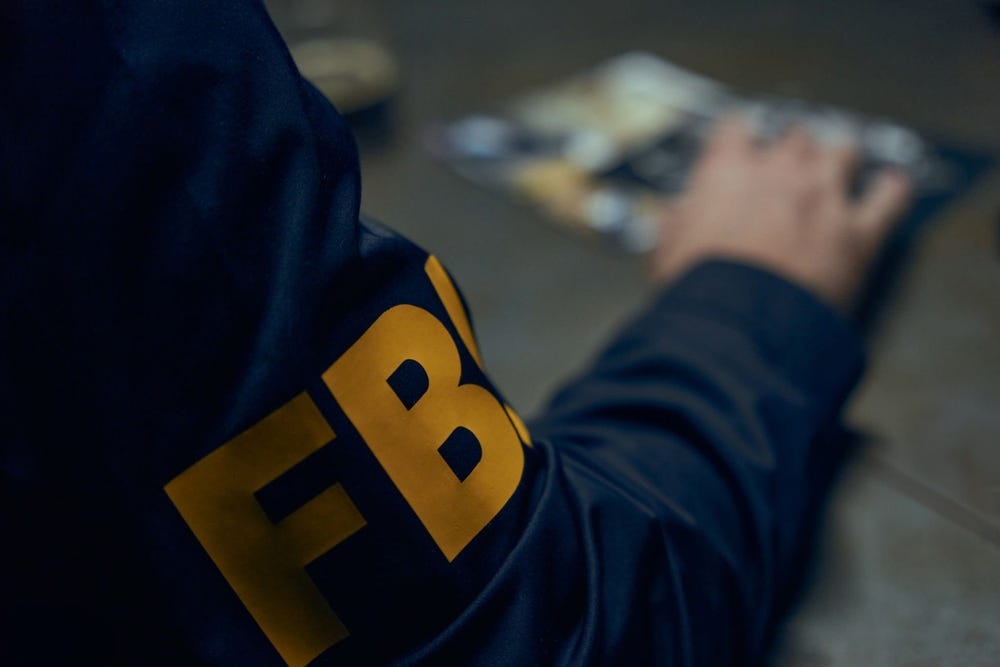
The FBI reportedly opened an unusual criminal leak investigation tied to an Atlantic story claiming Director Kash Patel has behaved erratically on the job due to heavy drinking.
Agents are reportedly examining reporter Sarah Fitzpatrick rather than a classified leak itself, centering the probe on her sourcing for a story built on two dozen anonymous accounts, despite DOJ policies historically limiting scrutiny of journalists absent classified disclosures.
UK reverses fine against school for investigating professor
Last week, the High Court of England and Wales overturned a £585,000 ($793,696) fine against the University of Sussex.
The school had allegedly violated free speech policies by investigating philosophy professor Kathleen Stock for institutional transphobia because she believes people cannot change their biological sex. But the Court said the Department of Education had unfairly targeted the school in order to make an example out of it.
Below the fold
A federal judge permanently barred the Trump administration from cutting more than $100 million in humanities grants, saying DOGE lacked authority and violated the First and Fifth Amendments.
More than 100 U.S. lawmakers, including 68 senators, urged President Trump to raise the issue of Hong Kong publisher Jimmy Lai — sentenced to 20 years over his pro-democracy newspaper Apple Daily — with Xi Jinping at the May 14–15 China summit.
IFEX and media-freedom groups condemned Zambia’s last-minute cancellation of RightsCon 2026 under Chinese pressure over delegates from Taiwan, saying nearly 3,000 journalists, digital-rights defenders, and civil-society actors were affected.
In the frame
The Committee to Protect Journalists (CPJ) has intensified international scrutiny of Senegal’s prosecution of journalist and author René Capain Bassène through a newly released six-part Wolof- and French-language podcast that alleges torture, coerced testimony, fabricated evidence, and major due-process violations in one of West Africa’s most controversial press-freedom cases.
Bassène, a veteran reporter covering the Casamance separatist conflict, one of the longest conflicts in Africa, is serving a life sentence for the Bayottes forest massacre that killed 14 men in 2018, despite saying he was at a football match when it happened. CPJ’s investigation cites former co-defendants who say they were detained for years and pressured under beatings and electric shocks to implicate Bassène. The podcast argues Senegalese authorities criminalized Bassène’s journalism and ignored evidence that he had actually warned officials about escalating tensions tied to illegal logging networks and vigilante groups in Casamance while researching his fourth book on the conflict.
Following Senegal’s Supreme Court decision to uphold the conviction, CPJ is calling on President Bassirou Diomaye Diakhar Faye to release Bassène, framing the case as a stark example of the risks faced by local journalists covering armed conflicts.
Terms of service
New York’s proposed SB 7263 would make AI companies liable if chatbots provide responses that could be construed as unlicensed professional advice — especially in law, medicine, or mental health — even when users understand they are interacting with software and no professional credentials are claimed.
This week for Free Speech Future, John Coleman explains how the bill dangerously expands already broad unauthorized-practice laws. Because chatbot interactions are tailored by ordinary exchanges — like asking whether jaywalking is illegal or how to dispute a credit-card charge — could trigger liability if deemed “legal advice.” Coleman warns that this effectively regulates speech rather than conduct, creating First Amendment concerns by making legality depend on what an AI system says.
This week in history
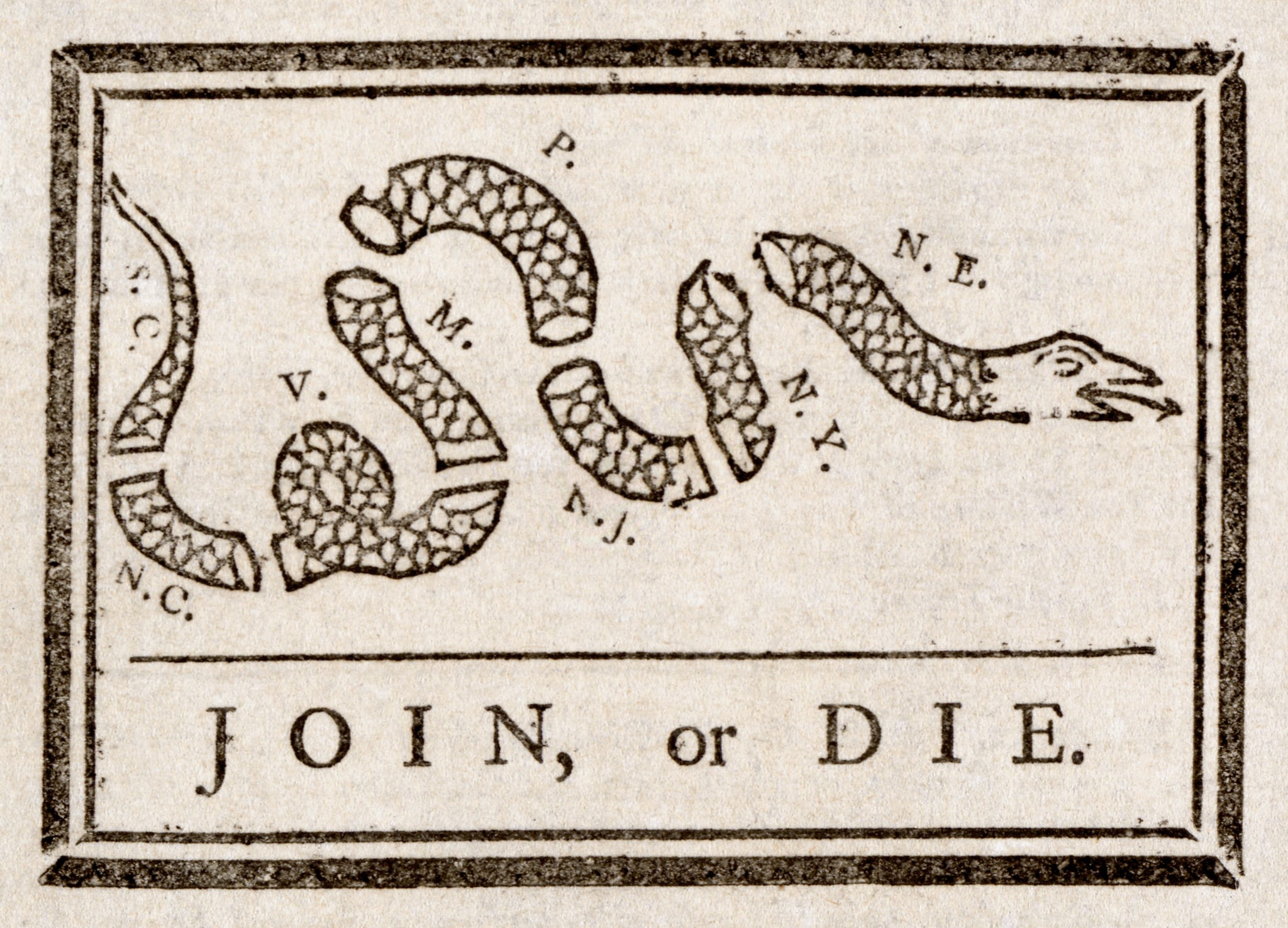
On May 9, 1754, the political cartoon “Join, or Die” was published. Attributed to and published by Benjamin Franklin, this is widely considered the first political cartoon published in an American newspaper. The cartoon depicts a snake chopped into eight pieces with each piece representing one of the original colonies (New England was represented as one segment rather than the four colonies it included at the time, Delaware was still part of Pennsylvania, and Georgia was omitted).
The cartoon was based on a superstition that if a snake is cut into pieces and the pieces are put together before sunset, the snake would be resurrected. The cartoon was intended to make a point about the importance of colonial unity in the French and Indian War, and was later used as a symbol of colonial freedom during the American Revolution. Political cartoons are frequent subjects of censorship attempts, demonstrating the importance of First Amendment protections.
And if it ever comes up in a game of trivia, U.S. Secretary of Defense Pete Hegseth has the cartoon tattooed on his right forearm.
Where there’s smoke
Last week, Pensacola State College told a professor it would not print her students' LGBT stories in a student magazine, arguing they would violate Florida’s dystopian Stop WOKE Act. FIRE gave the school until the close of business on May 4 to respond to our First Amendment concerns. The school has refused to take full accountability. Now we’re taking a closer look.
By the numbers
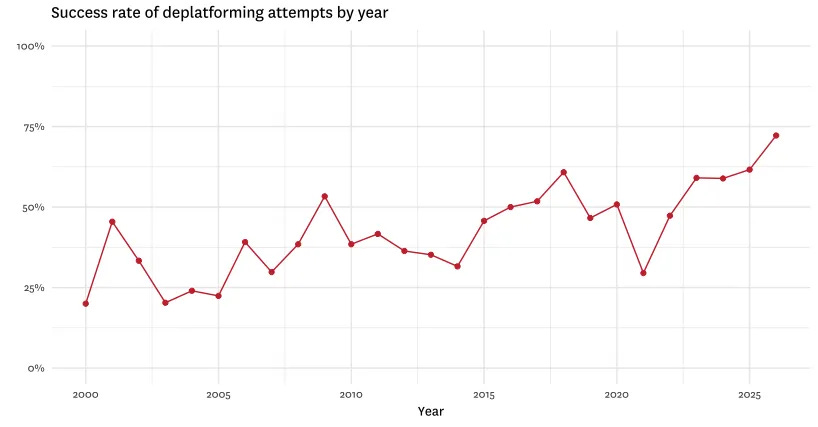
Since noting a little over a month ago that we are on pace for a record number of campus deplatforming attempts this year, we’ve recorded another 38. That increases the tally to 108 deplatforming attempts so far this year, the fifth-highest total for a year in the entire database going back to 1998. And it’s only May.