


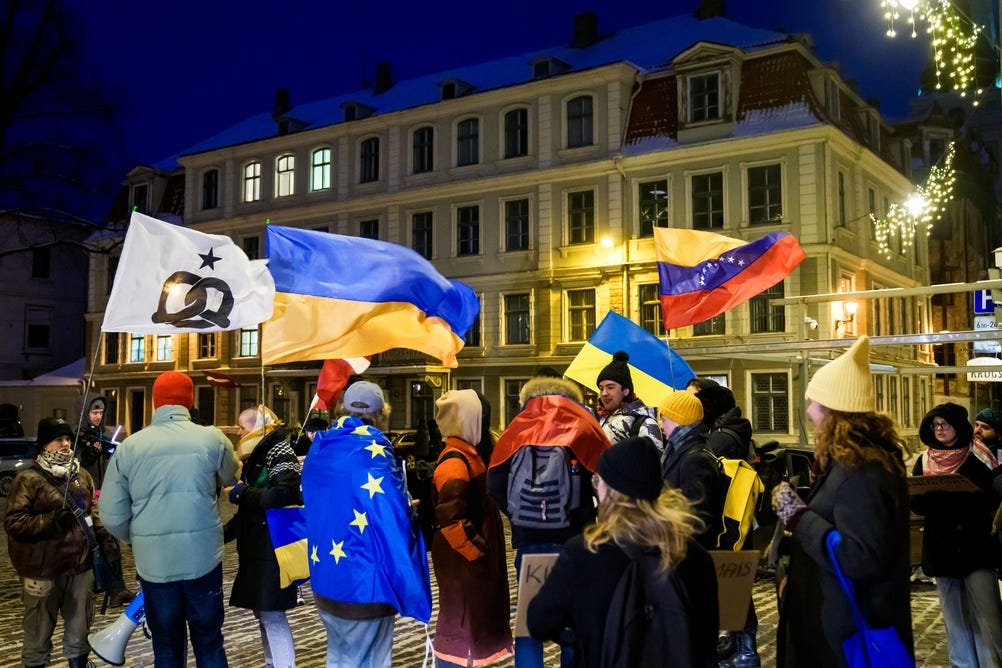
“A generation is losing faith in the premise underlying liberal democracy: that we can govern ourselves through words rather than force. If that faith dies, what replaces it is not hard to imagine.”
— Sam Abrams, on the growing support for political violence among students.
Don Lemon arrested
Federal agents arrested journalist Don Lemon in connection with an anti-ICE protest inside a Minnesota church last month, charging him with violating federal statutes that protect people exercising their constitutional rights. But Aaron Terr reminds us:
In a free society, journalists play a vital role in documenting and reporting on events of public concern, including illegal conduct. Manufacturing federal crimes out of the facts we’ve seen so far chills that core function. Considered in light of the administration’s online taunts and demonstrated hostility to the press, that appears to be the point.
Below the fold
FBI Director Kash Patel announced an investigation into Signal group chats that Minnesotans are using to track ICE activity, but every American has the right to criticize, observe, and document what the government is doing.
The University of Maryland charged two student journalists, Riona Sheikh and Rumaysa Drissi, with misconduct for simply documenting a protest, reframing routine newsgathering as “interference” and raising serious alarms about press freedom and viewpoint suppression on campus.
Venezuela has advanced an amnesty bill that could result in the mass release of political prisoners — opposition leaders, journalists, and human rights activists — meanwhile, Venezuelans are beginning to test the limits of free speech.
The teen social media bans are spreading. Now Greece and Spain are looking to ban youth from social media access — and Spain’s prime minister says he wants “a law to hold social media executives personally responsible for hate speech on their platforms.”
In the frame
In the first episode of FIRE’s tech series Free Speech Future, we discuss how large language models have become gatekeepers of truth despite the fact that they are trained not for honesty, but for ideological safety. The panel warns that government mandates and “algorithmic discrimination” laws risk hard-coding political orthodoxies into AI systems, reviving speech codes not just socially but technically. If these systems are optimized for offense-avoidance rather than truth-seeking, the result could undermine the very conditions that allow truth to emerge.
Today in history
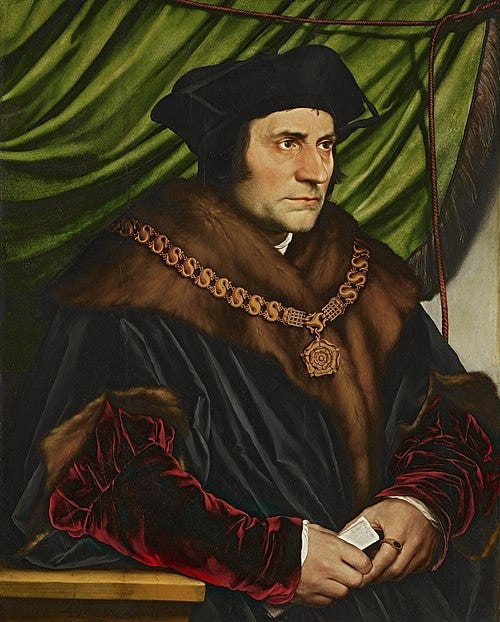
Born in London on Feb. 7, 1478, Thomas More was a lawyer, judge, author of the book Utopia (in which he coined the term), and Speaker of the House of Commons who delivered England’s first formal demand for free speech in the form of parliamentary debate. More’s fight for free expression helped lay the groundwork for the English Bill of Rights and, later, the U.S. Constitution. As lord chancellor under King Henry VIII, he was put to death for refusing to reject the pope in favor of the king and the newly created Church of England, thus becoming a martyr for religious freedom and a reminder that free speech has always threatened power.
By the numbers
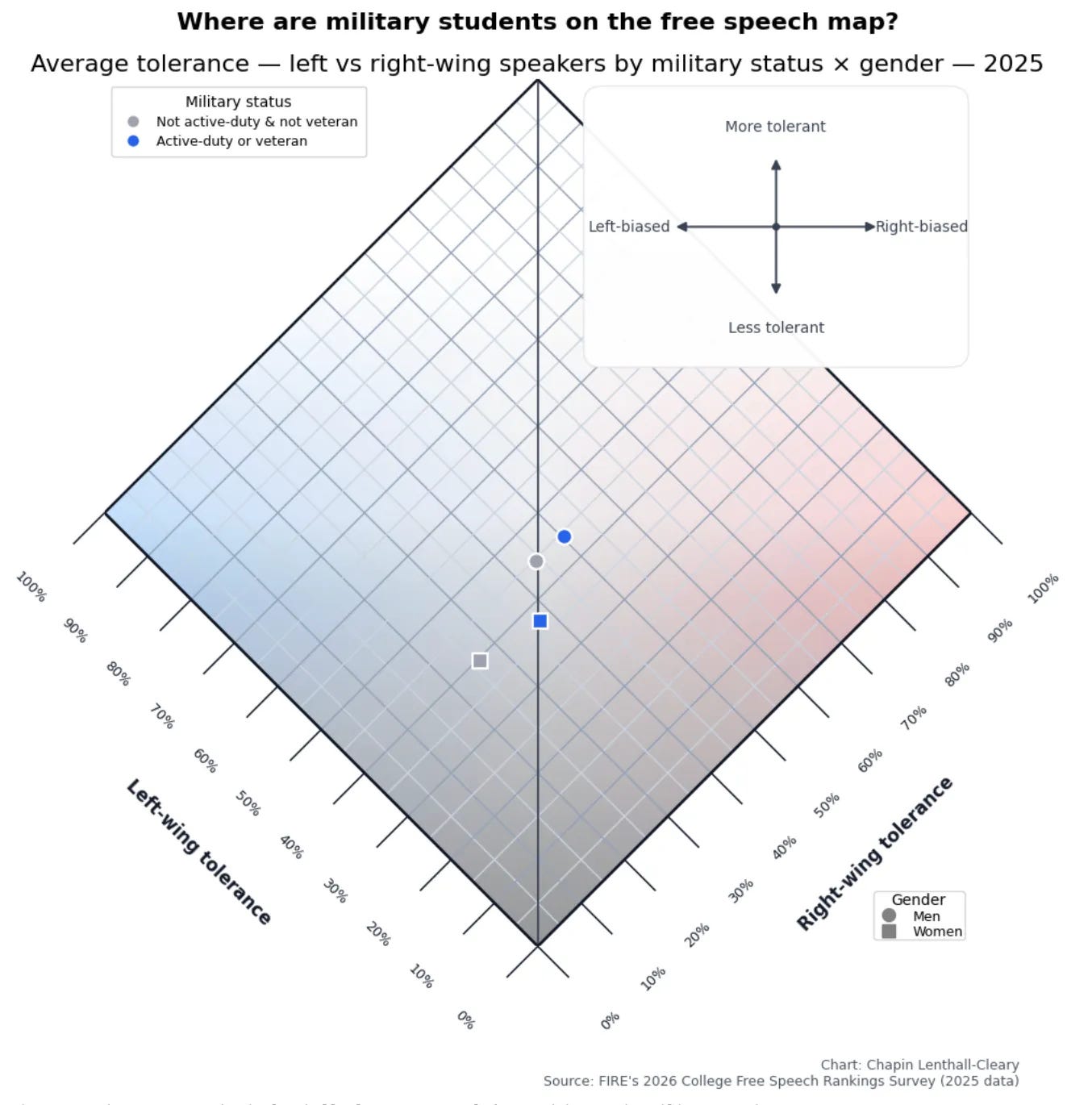
This week’s data dive finds that military students are a bit more tolerant than civilians overall — and significantly more fair to their political opponents. Controlling for ideology, male military students have 21% less tolerance bias than male civilians, while female military students have 29% less tolerance bias. If you don’t control for ideology, military men are 16% less biased than civilians while military women are 32% less biased.
I don't think much of Don Lemon's views or his work, BUT I'll probably donate to his legal defense fund, as his misplaced words don't frighten me, but unchecked government power very much does.