“Protecting speech during wartime is neither easy nor popular. But it is precisely in such moments that constitutional principles matter most.”
— Nico Perrino on calls to censor Columbia University Apartheid Divest for posting “Death to America” in response to the start of war in Iran.
Trump admin threatens Anthropic
The Trump administration threatened to seize or blacklist Anthropic after the AI company refused to remove safeguards limiting military and surveillance uses of its models. John Coleman, FIRE’s legislative counsel on AI and free expression, explains:
If the government wants AI systems without Anthropic’s restrictions, it can develop its own or contract with companies willing to provide them. (Indeed, OpenAI reportedly stepped in quickly as a replacement.) What the government cannot do is coerce a private company into abandoning its own design principles, or punish it for refusing. That violates the First Amendment.
Hamit Coksun wins Quran-burning case
Kurdish-Armenian asylum seeker Hamit Coskun has won a year-long legal battle after burning a Quran in protest near the Turkish embassy in London last February.
“Laws and prosecutions protecting religious institutions from offence and insult should be a relic of the past,” writes Sarah McLaughlin, “but are instead still present in dozens of countries, and are experiencing a resurgence of sorts in European countries like Sweden and Denmark, with the encouragement of the United Nations Human Rights Council. The UK appears to be heading down this path, too, giving another means of censorship to a country increasingly fond of them.”
Below the fold
Police in Dubai, a popular haven for social media influencers, are threatening jail time for “any content that contradicts official announcements” amid attacks from Iranian drones.
In the frame
After the murder of Charlie Kirk at a Turning Point USA campus event on Sept. 10, 2025, students were left in shock and the country was left debating the future of free speech. Some blamed rhetoric, some demanded limits. Others warned that giving the government the power to decide which speech is “too dangerous” could threaten the very freedoms it claims to protect. In this episode of 1AX, FIRE sits down with the students who witnessed the shooting and explores a question that now confronts the nation: Is free speech the cause of political violence, or the only alternative to it?
Featuring firsthand accounts by professors and students, difficult conversations, an interview with Greg Lukianoff, and an unflinching look at the First Amendment, 1AX asks what it really means to coexist in a country where disagreements are not small, and sometimes are life and death.
Terms of service
The U.S. government’s forced TikTok sale predictably sparked new concerns about political manipulation of online speech, Anthropic is clashing with the Pentagon over whether its AI should be used for surveillance and weapons systems, and the FCC wants to revive outdated broadcast rules to pressure talk shows critical to the administration. For analysis on all this and more — from meme regulation to age-verification surveillance risks — check out the debut issue of Notice and Takedown, a biweekly newsletter on all things free speech and tech policy, in which FIRE’s Ari Cohn and Tyler Tone bring readers an engaging mix of style, humor, and thoughtful analysis.
Today in history
On March 4, 1789, the U.S. Constitution went into effect. Drafted at Independence Hall in Philadelphia between May and September 1787, it was ratified by 11 of the 13 colonies. Delaware was the first to ratify. North Carolina and Rhode Island held out mainly because the Constitution did not yet include a Bill of Rights, and many people feared the new federal government would be too powerful. Since going into effect, the Constitution has been amended 27 times, including the first 10 amendments, known as the Bill of Rights, intended to address Anti-Federalists’ concerns about the potential tyranny of a strong centralized government.
By the numbers
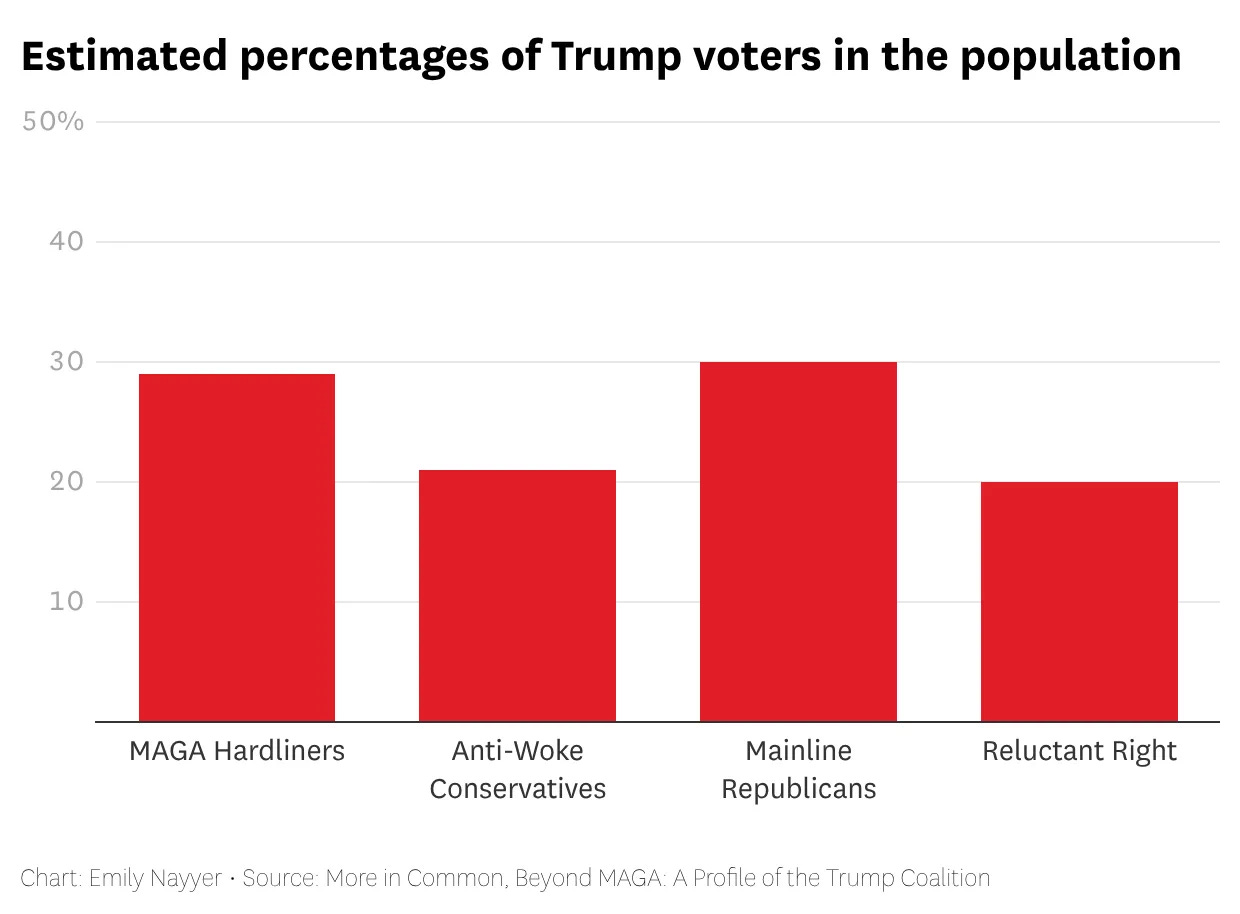
Trump voters are not a monolith. In fact, there are basically four kinds of Trump voters. You’ve got your MAGA hardliners, your mainline Republicans who support him because they support the party, anti-woke conservatives whose animating principle is their opposition to woke ideology, and the “reluctant right” who simply voted for Trump because they thought he was less bad than Kamala Harris.